
Where Is Impregnated Timber Used? Choosing by Place of Use
·
The same timber can sit under a roof or in the ground, but each place asks for different protection. We explain how to choose by place of use.
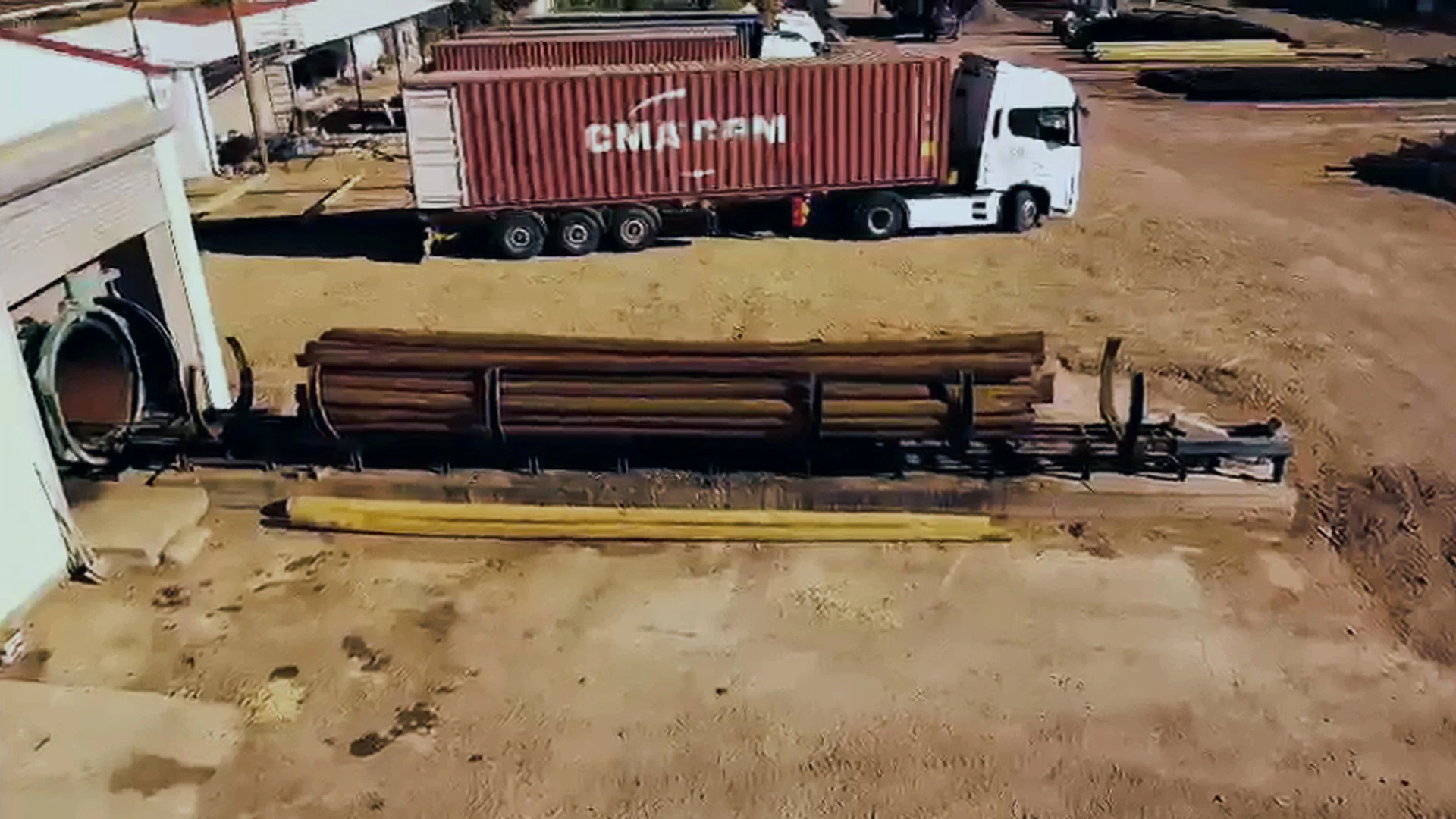
Moisture, fungi and insects are the main enemies of wood. Timber that lasts for decades in a dry, ventilated roof space can weaken quickly once it touches the ground or keeps getting wet and drying. Impregnated timber has the preservative driven into the wood under vacuum and pressure and is made for exactly these conditions. So when is impregnation needed, and when not? We group impregnated timber uses into three situations by place of use.
Three situations by place of use
1. Under a roof and indoors
Areas protected from rain and well ventilated are the easiest for wood. In roof structures, rafters, purlins and beams are often fine untreated; impregnated timber is chosen where condensation is likely in the roof space or insects are a known problem in the region. See roof timber.
2. Outdoors, no ground contact
Pergolas, gazebos, railings, cladding and garden furniture face rain, sun and changing temperatures all the time. Wetting and drying opens cracks, and moisture follows them in. Impregnated timber clearly extends the life of such work.
3. Ground and water contact
Fence posts, garden edging, retaining elements and anything set into the soil face the hardest conditions: constant moisture and micro-organisms. Here impregnation is a necessity, not an option. See our fence posts and stakes.
Impregnated timber by sector
- Construction and formwork: formwork timber meets wet concrete and weather; for parts reused many times, impregnation extends their life. Details: formwork timber.
- Transport: floors of freight wagons and trailer bodies work under heavy loads, moisture and wear; impregnated wagon timber lengthens the replacement interval.
- Farming: pens, stall partitions, greenhouse frames and vineyard wires must serve for years in damp conditions.
- Landscaping: walkways, seating areas and decorative fences need to last and be easy to look after.
Good practice with impregnated timber
- Cut before treatment where possible. The preservative is densest in the outer layers; surfaces cut, drilled or planed afterwards expose the core, and treating them with a suitable preservative is good practice.
- Order the right size. We cut timber to any size requested; giving sizes with the order reduces cutting on site and unprotected faces.
- Let water run off. A slight fall on horizontal faces and joints that do not hold water lengthen the life of any wood.
- Store with airflow. Keep timber raised off the ground with spacers between layers.
- Use corrosion-resistant fixings outdoors to avoid rust stains and loosening.
How long does it last?
Untreated pine weakens outdoors within a few years, while timber impregnated under vacuum and pressure can serve up to 50 years depending on the conditions of use. Our article on the service life of impregnated wood explains what affects it.
Write the place of use, sizes and quantity in the quote form and we will choose treated or untreated timber with you. All products: impregnated timber.