
Wooden Posts for Vineyards, Gardens and Fences: Turned Stakes or Fence Posts?
·
Vineyard wires, tree supports, livestock fences or landscaping: how to choose the right wooden post for each job and keep it for years.
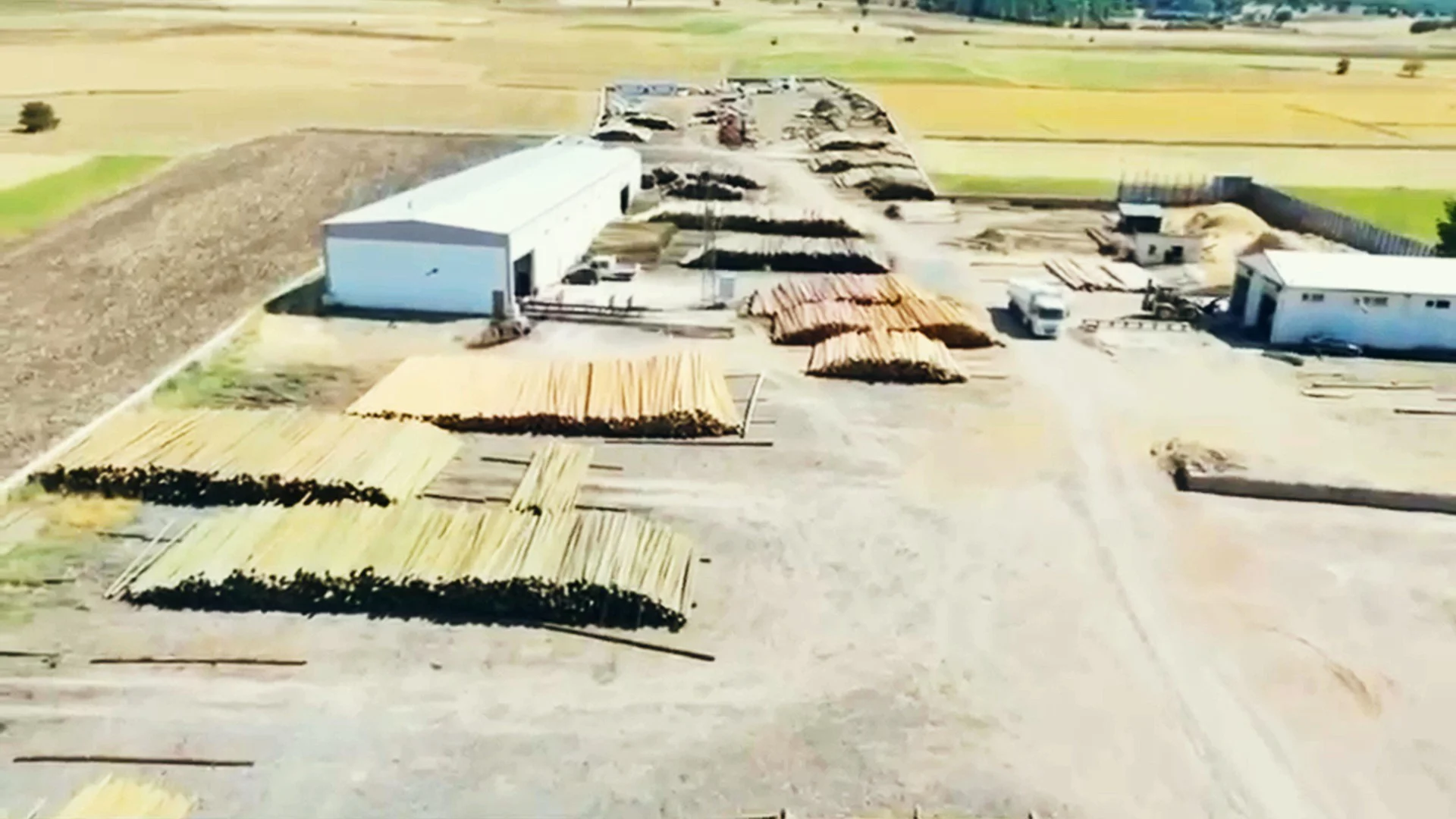
Whether you plant a vineyard, set young trees in an orchard or fence a field, the wooden post is one of the most used materials. Its natural look, easy working and, once impregnated, years of service in the ground make it a strong alternative to metal and concrete. Yet no single post suits every job, and wooden posts are best chosen by where they will stand. This guide covers two products, the wooden fence post and the turned wooden stake, when to choose each and how to make them last.
Wooden fence post
A fence post carries a wire or board fence. It is used for garden, field, vineyard and pasture fences, livestock pens and landscaping, made from pine in the length and diameter requested. Corner and gate posts carry the full wire tension and are chosen thicker than line posts. Details: wooden fence post.
Turned wooden stake
A turned stake is brought to the same diameter along its whole length on a lathe, giving a smooth, symmetric surface. Because every stake has the same thickness, a row looks even and wires and fittings sit the same way on each one. It is the choice for vine stakes, tree supports and garden work. Details: turned wooden stake.
Which one for which job?
- Vineyard wires: thick end posts to hold the tension, turned stakes within the row.
- Tree supports: smooth turned stakes that do not harm the young trunk.
- Livestock and pasture: sturdy fence posts at close spacing to resist pushing and rubbing.
- Landscaping: turned stakes or even fence posts, with thicker posts at gates and corners.
Why impregnation matters
The hardest part of a post is just below and just above the ground line, where moisture, air and micro-organisms meet; untreated wood rots there first. In a post impregnated under vacuum and pressure the preservative is inside the wood, so the buried part stays sound for years. Impregnation is optional for our fence posts and stakes; we recommend it for every post going into the ground. The steps are explained in our article on vacuum-pressure impregnation.
Setting tips
- Depth: set by post length, soil and load; set deeper in soft, wet ground.
- End and corner posts: brace the posts that carry wire tension.
- Drainage: gravel at the bottom of the hole keeps water away from the post.
- Cut ends: if you shorten a post on site, treat the cut face and keep it above ground where possible.
- Fixings: stainless or galvanised fittings prevent rust and loosening.
Send length, quantity and delivery place through the quote form and we will plan your posts and stakes with you. All products: wooden fencing and stakes.