
Vacuum-Pressure Impregnation Step by Step: What Happens in the Tank
·
The preservative does not stay on the surface like paint; it goes into the wood. Here are the five steps that make it happen.
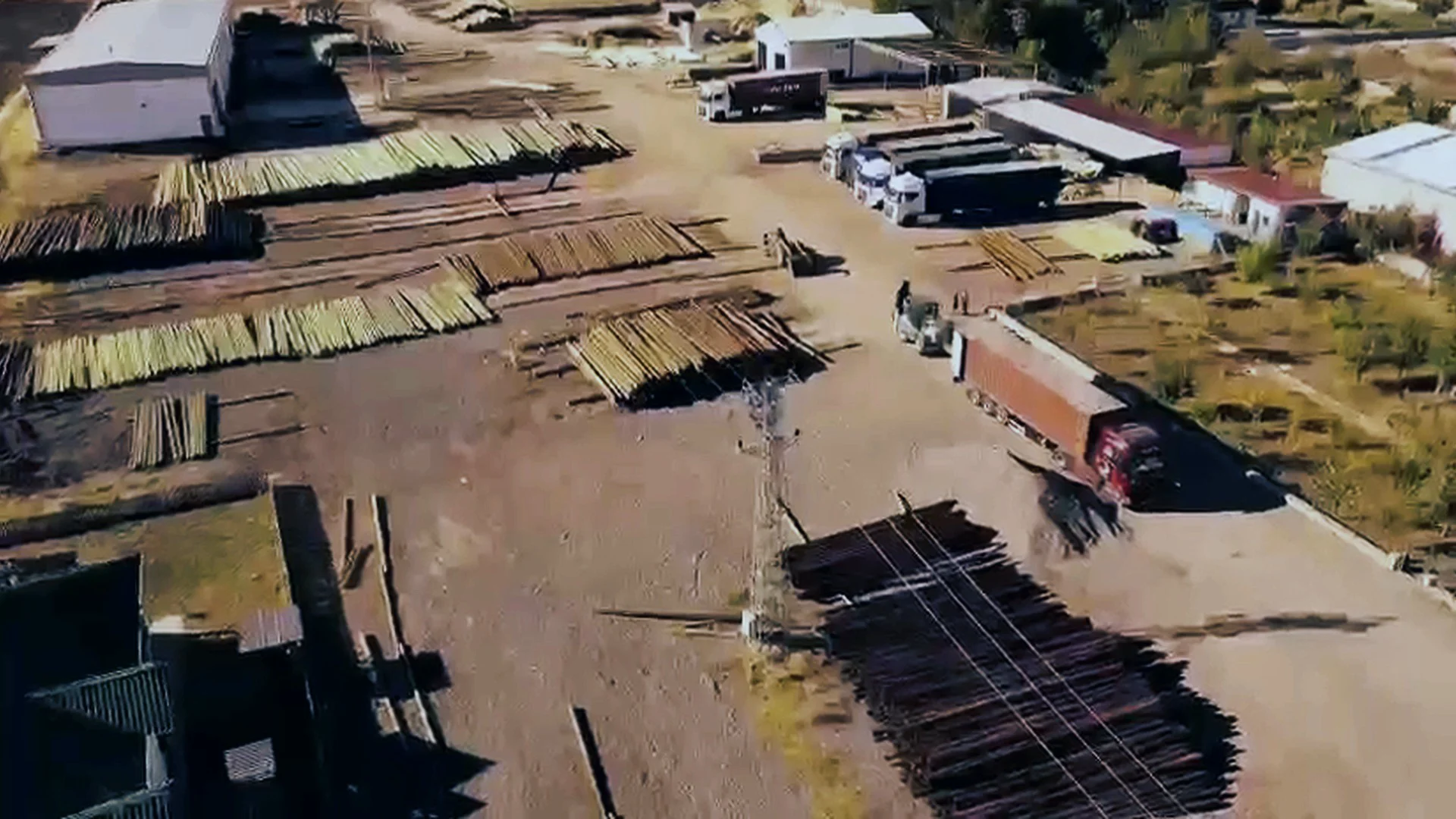
This article walks through the vacuum-pressure impregnation steps in order. A preservative applied with a brush or by dipping only forms a thin layer on the surface of the wood; once the surface is scratched or dries and cracks, the protection is gone. The vacuum-pressure method sends the preservative in between the fibres of the wood. Our impregnation page shows the results; this article looks at what happens inside the tank.
1. Preparation: peeling and drying
The log is peeled and left to dry. The cells of wet wood are full of water and leave no room for the preservative, so dried wood is the first condition of a good treatment. The dried timber is stacked on trolleys, driven into the tank and the door is closed.
2. Initial vacuum
The air is pumped out of the closed tank. This also draws the air and remaining moisture out of the wood cells, so the wood can take up liquid.
3. Filling
While the vacuum holds, the preservative solution is let into the tank and surrounds every side of the wood. Filling under vacuum helps the solution move into the emptied cells.
4. Pressure
The tank is pressurised. The pressure drives the solution from the surface inwards into the sapwood, the living layer of the wood, while the resinous heartwood keeps its natural resistance. The time is set by the species, diameter and moisture of the wood.
5. Final vacuum and resting
After the pressure is released, a short final vacuum draws the excess solution back to the storage tank, so the wood leaves the tank without dripping. The timber then rests in the yard while the preservative fixes in the wood, and is ready to ship.
The result: a difference measured in years
Untreated pine weakens within a few years outdoors through moisture, fungi and insects. Wood impregnated under vacuum and pressure serves for decades depending on its conditions of use, without maintenance or paint. Our impregnated electricity poles and impregnated timber are produced on this line.