
How Long Does Impregnated Wood Last? Six Factors That Decide
·
"How many years will a treated pole last?" has no single answer. We go through what lengthens and shortens it.
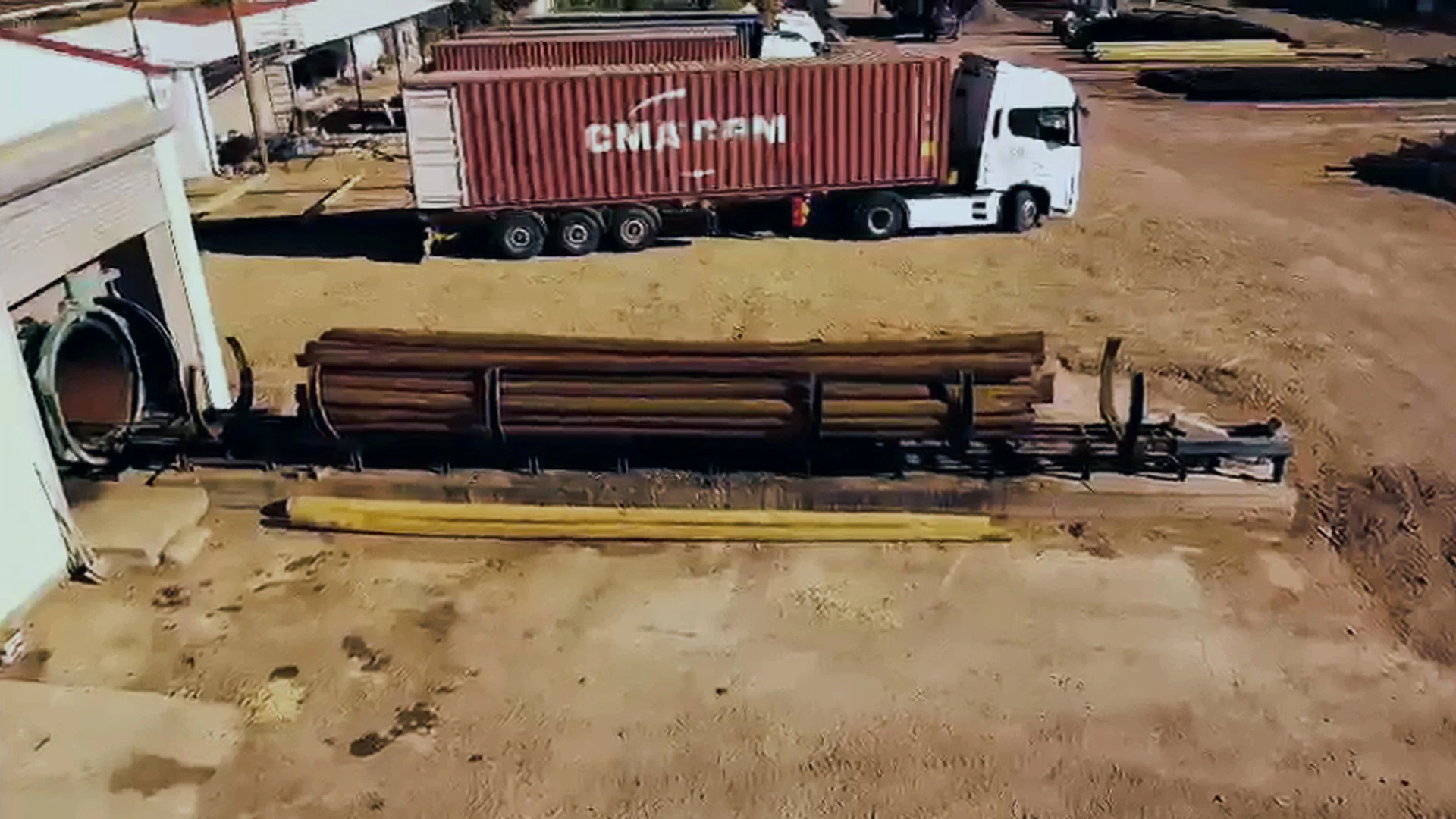
How long does impregnated wood last? One of the questions we hear most is how many years a treated pole or piece of timber will last. The short answer: untreated pine weakens outdoors within a few years through moisture, fungi and insects, while wood impregnated under vacuum and pressure can serve up to 50 years depending on the conditions of use. Knowing what decides where a piece falls in that range helps you choose the right product and keep it as long as possible.
1. Depth of impregnation
What protects wood is how deep the preservative goes. Brushing or dipping stays on the surface, and the protection ends when the surface is scratched or cracks. Vacuum-pressure treatment first draws the air out of the wood and then drives the solution into the sapwood. Deep protection is the basis of a long life.
2. Dryness before treatment
The cells of wet wood are full of water and leave no room for the preservative, so logs are peeled and left to dry first. Well-dried wood takes up the solution far better: an invisible step with a direct effect on service life.
3. Species and sapwood
In species such as pine, the outer sapwood takes up the preservative easily and treats well, while the resinous heartwood keeps its natural resistance. Straight logs with plenty of sapwood give the best results.
4. Place of use and ground contact
The same wood lasts differently in different places: under a roof is easiest, outdoors is harder, and ground or water contact is hardest. The part of a post near the ground line, where moisture, air and micro-organisms meet, is usually where decay starts. See uses of impregnated timber.
5. Climate
Warm, humid climates favour fungi and insects; frequent rain, soil that stays wet and repeated wetting and drying wear wood down. In dry, cool regions the same product lasts longer, which is why lifespans are always given "depending on the conditions of use".
6. Work after treatment and care
Cuts, holes and notches made after treatment open the protected outer layer. Leaving them untreated is the most common mistake that shortens service life. Water standing on horizontal faces, posts set without drainage and rusting fixings also lead to early decay.
Checklist for a long life
- Choose vacuum-pressure impregnated products for anything in the ground.
- Give sizes with the order, keep site cutting to a minimum and treat cut faces.
- Prevent standing water at the foot of posts and in joints.
- Store wood off the ground with air between layers.
- Use corrosion-resistant fixings outdoors.
Since 1997 we have produced wooden poles and impregnated timber with vacuum-pressure treatment. Tell us where the wood will be used in the quote form and we will choose the right product together.